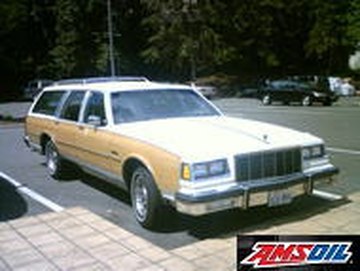
Engine Lubrication and Service for the 1982 Buick ELECTRA 5.0L
Maintaining a vehicle of this era requires a focus on consistent monitoring and proactive care. For the 1982 Buick ELECTRA equipped with the 5.0L engine, regular lubrication service is a fundamental aspect of long-term mechanical health. Because older engines may exhibit different sealing characteristics or material behaviors compared to modern vehicles, understanding how to monitor and respond to changes in fluid condition is essential for any owner.
Monitoring Fluid Integrity and Potential Leaks
One of the most effective ways to oversee the health of a 5.0L engine is through regular visual inspections. Over time, various gaskets and seals may undergo changes due to heat cycles and age. It is useful to periodically inspect the area around the engine for any signs of fluid seepage or active leakage. Finding evidence of oil residue on the underside of the engine or near sealing surfaces can provide an early indication that a component may require attention.
When performing these inspections, look for:
- Dampness or oily residue around various engine junctions and covers.
- Accumulated grime that may be masking slow-moving leaks.
- Puddles or spots on the ground beneath where the vehicle is parked.
If you notice a change in the amount of oil required between service intervals, this warrants further investigation. While changes in consumption can have many different causes, staying observant allows you to address potential issues before they escalate into more significant mechanical concerns.
Observing Changes in Engine Performance and Indicators
Beyond visual inspections for leaks, an owner should remain attentive to how the vehicle behaves during operation. Unusual sensations or sounds can often be associated with changes in lubrication levels or quality. For instance, if you notice any unusual mechanical noises that were not previously present, it is important to check the fluid levels immediately.
It is also vital to monitor the dashboard for any warning indicators related to engine oil. If a warning light illuminates, this should be treated as an urgent matter requiring immediate investigation. Furthermore, changes in exhaust appearance—such as smoke that appears different than usual—can sometimes be linked to how the engine is managing its lubricants. Because these symptoms can stem from various underlying causes, they should be viewed as signals to perform a thorough inspection rather than definitive diagnoses of a specific part failure.
Prioritizing Maintenance Based on Current Condition
For an owner of a 1982 Buick ELECTRA, the most effective maintenance strategy is often based on the actual condition of the vehicle rather than just its age. If you have inherited the vehicle without a clear service history, establishing a baseline is a practical first step. This involves documenting current fluid levels, checking for any existing leaks, and noting the general state of all accessible engine components.
When deciding where to focus your efforts, prioritize active concerns. Addressing an existing leak or investigating a new noise is more critical than following a generic schedule that may not reflect the vehicle's actual usage. Keeping a detailed log of every oil change, filter replacement, and observed fluid level can be incredibly helpful. This record-keeping helps you distinguish between normal aging and sudden changes in engine behavior, allowing for much more informed decision-making during routine service.
Managing Aging Engine Components
As vehicles age, certain materials like rubber hoses or belts may become less flexible or show signs of deterioration. If equipped, it is wise to inspect accessible drive belts for any evidence of cracking, glazing, or fraying. Similarly, if the vehicle has various cooling or vacuum hoses present, checking them for brittleness or soft spots can help prevent unexpected failures.
Electrical connections and wiring should also be monitored. Over several decades, connectors can become brittle or loose due to vibration and temperature fluctuations. Ensuring that electrical components related to engine management remain secure and clean is a helpful part of a comprehensive maintenance routine. By focusing on these physical inspections, you can move from reactive repairs to more controlled, preventive care.
The Role of High-Mileage Formulations
When an engine has been in service for many years, some owners consider different lubricant types. It is worth noting that some high-mileage oil formulations contain additives intended for use in aging engines. These specific formulations may include seal-conditioning additives designed to help maintain the integrity of older gaskets and seals. While these are not a substitute for repairing active leaks, they can be a consideration when selecting a product for an engine with significant service history.
Practical Steps for BUYING ENGINE OIL for your 1982 Buick ELECTRA 5.0L
When you are ready to replenish the lubrication in your 5.0L engine, the most important step is to ensure the product matches the specific requirements of your application. Rather than relying on general automotive knowledge or assumptions based on the vehicle's age, always refer to the application-specific information provided on this page.
To make an informed purchase, follow these guidelines:
- Match the Viscosity: Use the vehicle-specific oil viscosity listed in the application information on this page. Do not attempt to substitute a different grade based on perceived climate or engine age unless it matches the provided data.
- Verify API Certification: Check the product label to ensure the oil meets current API service standards, which confirm the oil has been tested for quality and performance.
- Consider Formulation Types: Depending on your specific needs and the condition of your engine, you may choose between conventional, synthetic blends, or full synthetic oils. If your engine shows signs of high mileage, you might also look into formulations specifically designed with seal conditioners.
- Inspect the Label: Always read the fine print on the container to confirm that the oil's properties align with the technical details displayed in the vehicle information section above.
By strictly adhering to the application-specific data provided for your 1982 Buick ELECTRA, you ensure that the engine receives the correct lubrication necessary for its specific mechanical design.